
Why School and Municipal Facility Upgrades Can Be an Opportunity for Licensed Contractors
By CSLS 3 min read
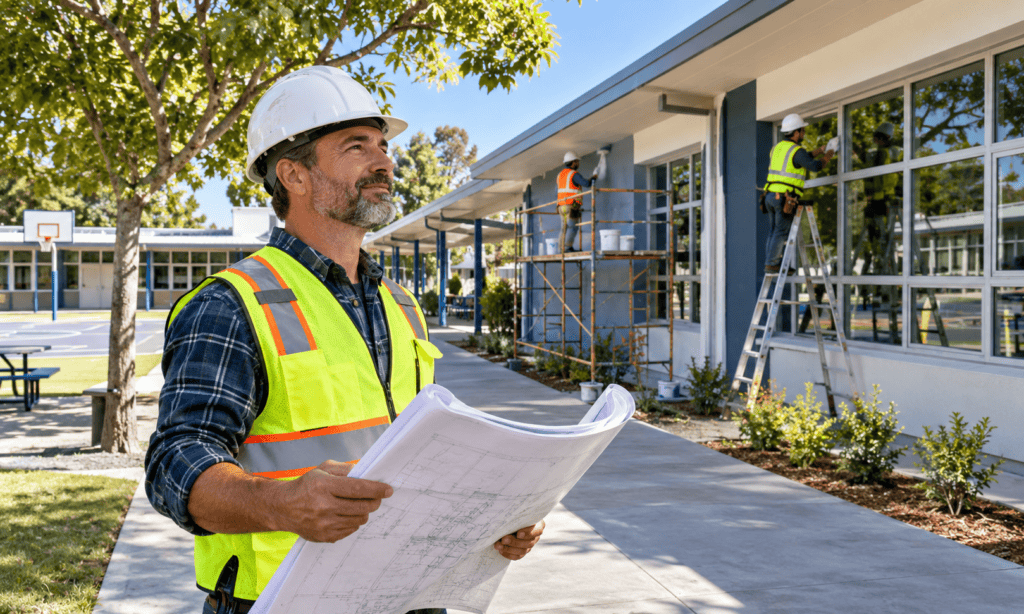
In June, the phone calls start. Facilities managers walk their campuses one last time before summer, and they see the boiler that limped through winter, the parking lot split by roots, and the classroom wing still running on 1970s electrical panels. Multiply that across more than 1,000 school districts in California, then add city halls, libraries, community centers, and fire stations, and you get a steady stream of upgrade work that many newly licensed contractors never think to pursue. Most people preparing for the CSLB exam picture themselves in residential kitchens. The quieter opportunity is often down the street at the local school.
Why the Work Keeps Coming
Public facilities do not age on their own schedule, but their funding does. California voters regularly approve state and local bond measures for school construction and modernization, and districts must spend those funds on real work: roofing, plumbing, HVAC replacement, accessibility upgrades, and technology infrastructure. Cities and counties face the same reality with their own buildings. Because this work is budgeted years in advance and tied to public dollars, it tends to be steady, documented, and paid on time. For a contractor building a young company, that predictability is worth a lot.
The Rules That Come With Public Money
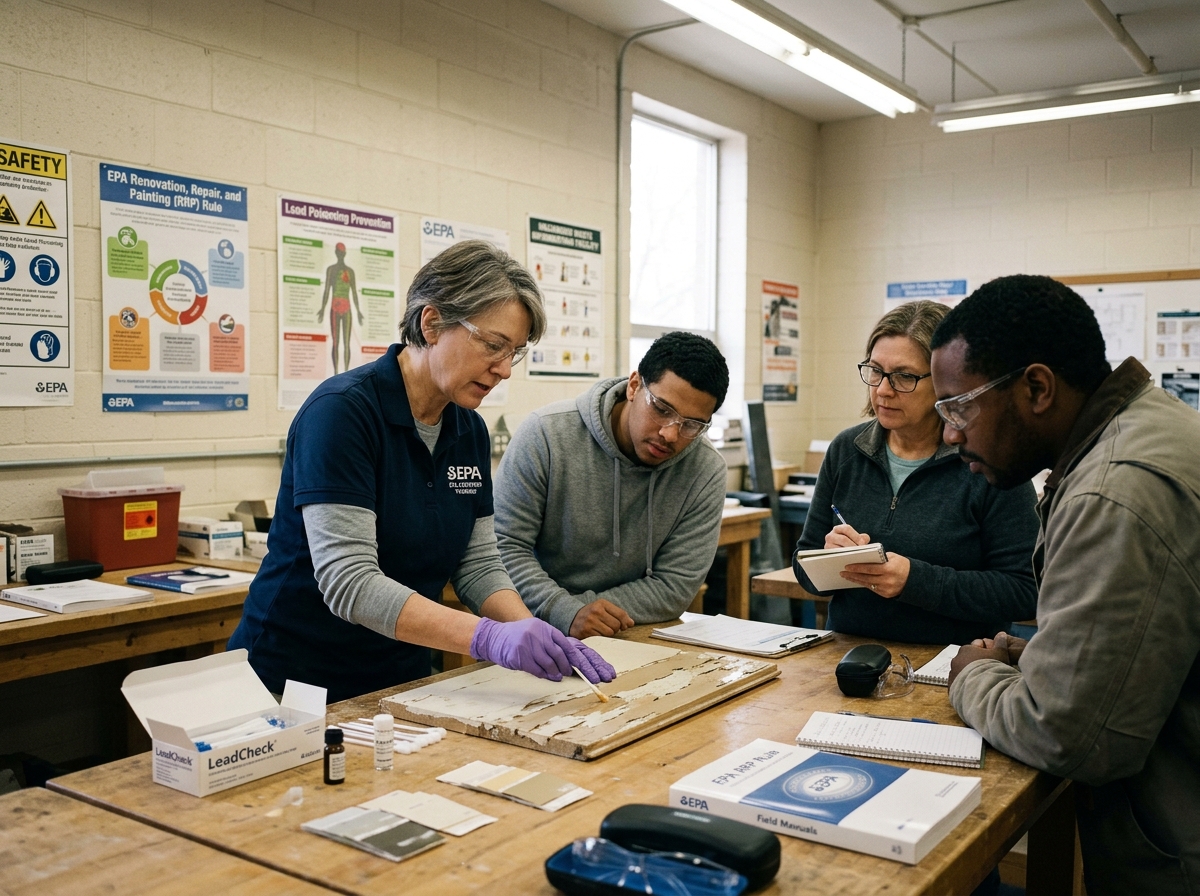
Here is where new licensees get surprised. A CSLB license covers any project valued at $1000 or more, but public work adds layers. Nearly all of it is subject to prevailing wage, and before you can bid on or work on a public project, you must register as a public works contractor with the Department of Industrial Relations. Registration runs on the state fiscal year, July 1 to June 30, at $400 per year, with options to pay for 2 or 3 years upfront. Very small projects are exempt from registration: new construction under $25,000 and maintenance work under $15,000. Once you are on a covered project, you must pay prevailing wages, submit electronic certified payroll records, and, on projects of $30,000 or more, meet apprenticeship requirements. School construction also passes through the Division of the State Architect for plan review, which adds review steps you will not see on a private remodel.
What New Contractors Get Wrong
The most common misconception is that public bidding is only for large firms. In practice, districts package plenty of small and mid-size jobs, and they need licensed subcontractors in specific classifications, from C-10 electrical to C-36 plumbing, not just general building contractors. The second mistake is treating the paperwork as optional. Working a public project without DIR registration, or skipping certified payroll, exposes you to penalties that can erase the profit on the job. The third is assuming your classification covers whatever the district needs. Bid only the work your license actually authorizes.
The Takeaway
School and municipal upgrades are not a shortcut to easy money; they are an opportunity for contractors who respect the rules. If you hold a license, keep your registration current, price in prevailing wages, and keep clean records, you gain access to a pipeline of repeatable, publicly funded work that less prepared competitors cannot touch.